The House Advantage Explained
One of the most crucial secrets casinos keep hidden from players is the concept of the house advantage. This term refers to the mathematical edge that the casino has over players in various games. For example, in blackjack, the house maintains an approximate 1% advantage due to rules that favor the dealer. Additionally, players often explore options like online pokies new zealand , which can also be influenced by this house edge. Understanding this can significantly alter a player’s approach to the game, as it highlights that winning consistently against the house is exceedingly challenging.
Furthermore, different games have varying house advantages. Slot machines often present a much higher house edge compared to table games. While a table game may offer a more engaging experience with better odds, slot machines can entice players with their bright lights and sounds. This manipulation encourages patrons to spend more time and money at these machines, further increasing the casino’s profits.
Many players remain oblivious to the fact that the house advantage is designed to ensure long-term profitability for casinos. Although players may win in the short term, the overall statistical likelihood favors the house. By recognizing this essential aspect, players can adjust their expectations and develop more strategic approaches to gambling, potentially reducing losses and enhancing their experience.
The Psychology of Slot Machines
Another well-guarded secret is how casinos strategically design slot machines to cater to human psychology. These machines are engineered to keep players engaged and invested. Features such as sound effects, bright visuals, and frequent small wins create an illusion of success, prompting players to continue playing. This phenomenon, known as “losses disguised as wins,” reinforces the belief that players are close to winning, compelling them to spend more money.
Moreover, many slot machines utilize a system where players can only cash out after a specific amount or number of spins. This tactic encourages them to keep playing, as the idea of immediate payouts becomes less likely. The longer players stay engaged, the more losses they incur, which ultimately benefits the casino financially. Understanding this psychological manipulation can empower players to make informed decisions and set strict limits on their gambling activities.

Casinos also employ a technique called “near misses,” where a player almost wins but ultimately loses. This tactic triggers the brain’s reward system, releasing dopamine and creating a sense of excitement. The frequent bursts of adrenaline can lead players to believe luck is on their side, prompting them to play longer. Recognizing these psychological traps can help players resist the pull of these enticing machines and develop healthier gambling habits.
The Impact of Loyalty Programs
Loyalty programs are another staple of casino marketing that many gamblers fail to fully understand. While these programs are designed to reward frequent players with comp points, free meals, and room upgrades, they are also a strategic way to keep players coming back. Casinos know that offering perks can create a sense of loyalty, leading players to spend more money in the hopes of gaining rewards. However, the actual value of these loyalty points often falls short of the amount spent to earn them.
Many players don’t realize how much they need to wager to accumulate enough points for worthwhile rewards. Often, the conversion rates are set so high that only the most dedicated gamblers see significant benefits. This can lead to a false sense of accomplishment as players chase after a goal that is ultimately out of reach. By understanding the true value of loyalty programs, players can make better-informed decisions about their gambling spending.
Additionally, loyalty programs can have a psychological impact. As players accumulate points, they may feel an obligation to return and continue playing to “earn back” their previous wagers. This cycle can lead to an unhealthy pattern of gambling, where players feel trapped by their commitment to a loyalty program. Awareness of how these programs function can help players recognize and break free from potentially harmful gambling habits.
The Illusion of Control in Games
Many gamblers believe they have some level of control over their success in casino games, particularly in games of chance like roulette or slot machines. This illusion of control can lead to misguided confidence and riskier betting behavior. Casinos capitalize on this misconception by making games appear skill-based, even when the outcomes are predominantly determined by luck. For instance, in a game of roulette, the outcome of each spin is entirely random, yet players convince themselves that patterns exist.
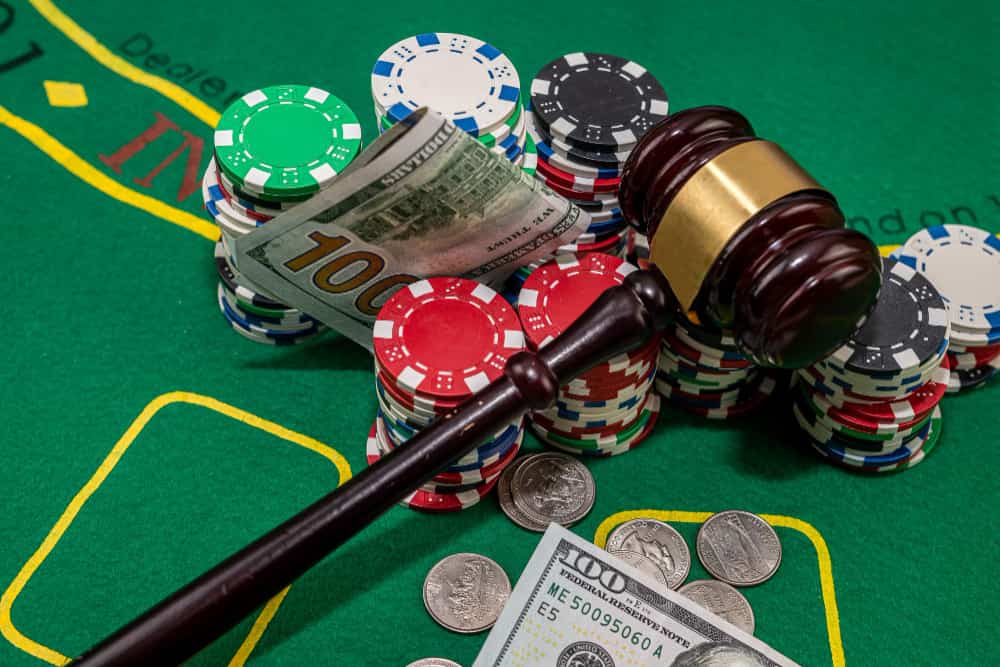
This false sense of control can be detrimental, especially for new players who may not fully understand the random nature of these games. Players may rely on superstitions or strategies that have no bearing on actual outcomes, increasing their chances of significant loss. Educating oneself about the randomness of casino games can help mitigate this risk, ensuring a more enjoyable and responsible gambling experience.
Furthermore, casino operators often employ tactics to reinforce these illusions. For example, they might highlight certain “winning streaks” or offer statistics that make it seem like players have better chances than they do. By recognizing that losing is always a possibility, players can engage with games in a more balanced manner, focusing on entertainment rather than a misguided pursuit of control over their outcomes.
Understanding Casino Marketing Techniques
Casinos are armed with sophisticated marketing strategies designed to attract and retain customers. One such method is the use of targeted advertising, which often includes incentives like free stays, gambling credits, or complimentary meals. This approach aims to lure players into the establishment, where they can easily be persuaded to spend more money. Understanding these techniques can equip players with the knowledge to resist impulsive decisions based solely on enticing offers.
Additionally, casinos create an atmosphere that encourages spending. Factors like low lighting, high-energy music, and the absence of clocks contribute to a feeling of timelessness, making it easier for patrons to lose track of both time and money. By curating this environment, casinos can enhance the player’s experience while subtly increasing the likelihood of excessive gambling. Being mindful of these design choices helps players remain grounded and aware of their spending habits.
Lastly, competitors often share the same marketing tactics, making it crucial for players to differentiate their gambling experiences. Being aware of these strategies enables players to approach gambling more critically, allowing them to appreciate the entertainment aspect without falling into the traps set by casinos. This understanding promotes responsible gambling and helps players maintain a healthy relationship with their gaming activities.

 + 212 652 38 30 80